Nursing Home Abuse & Neglect
Nursing home abuse happens when a resident is harmed, mistreated, or neglected by the people responsible for their care. It can take many forms, including physical injuries, emotional harm, neglect, or financial exploitation, and while some signs are obvious, others can be subtle and easy to overlook. If something feels off, it’s worth paying attention. Unexplained injuries, sudden changes in behavior, poor hygiene, or unusual financial activity can all be warning signs, even when they seem minor at first.
Quick Facts About Levin & Perconti
- Levin & Perconti secured a $12.2 million nursing home abuse settlement, the highest nursing home abuse result in Illinois history.
- Levin & Perconti has obtained the top three jury verdicts in nursing home negligence cases in the state of Illinois.
- Levin & Perconti has recovered $2 billion in verdicts and settlements for clients across Illinois
- Levin & Perconti are pioneers in nursing home litigation and were one of the first law firms in the nation to file lawsuits against nursing homes on behalf of abused and neglected residents.
If you suspect abuse, acting quickly can help protect your loved one and prevent further harm. Documenting concerns and seeking guidance can provide clarity on what to do next. Speaking with an experienced nursing home abuse lawyer can also help you understand your options.
“Abuse and neglect usually result from nursing homes not having enough staff or nursing homes having staff that frequently change. It can also be from nursing homes that have staff that dont communicate with each other. Your loved one needs time and attention.”

Signs That Someone May Be Experiencing Nursing Home Abuse
Nursing home abuse can show up in different ways depending on what a resident is experiencing and sometimes can be challenging to prove. Some signs are physical, while others appear in behavior, medical care, or financial changes. Often, it’s a pattern of small changes that signals something isn’t right.
Common warning signs include:
- Unexplained injuries, such as bruises, fractures, or burns
- Frequent falls or declining physical health
- Weight loss, dehydration, or poor hygiene
- Untreated bedsores or infections
- Sudden mood changes, withdrawal, or anxiety
- Fearfulness around staff or reluctance to speak
- Signs of overmedication or missed medications
- Unusual financial activity or missing belongings
Physical Abuse
Physical abuse in nursing homes involves the intentional use of force that causes pain, injury, or impairment, while neglect refers to a failure to provide proper care. Although the causes differ, both can lead to serious harm.
In many cases, it’s not just one incident, but a pattern or harm that signals something isn’t right. Below are common physical indicators and what they may suggest:
| Concern | What It May Indicate |
|---|---|
| Frequent Falls | Lack of supervision or failure to assist residents at risk, especially those with mobility or cognitive issues |
| Fractures | Possible force, unsafe conditions, or preventable falls without proper precautions |
| Bruising | Rough handling, improper use of restraints, or repeated unexplained injuries |
| Bedsores | Failure to reposition immobile residents, leading to skin breakdown and infection |
| Medication Errors | Improper administration, incorrect dosages, or overmedication can cause serious health complications |
When these issues happen repeatedly or without a clear explanation, they may point to abuse or neglect that requires closer attention.
Emotional Abuse
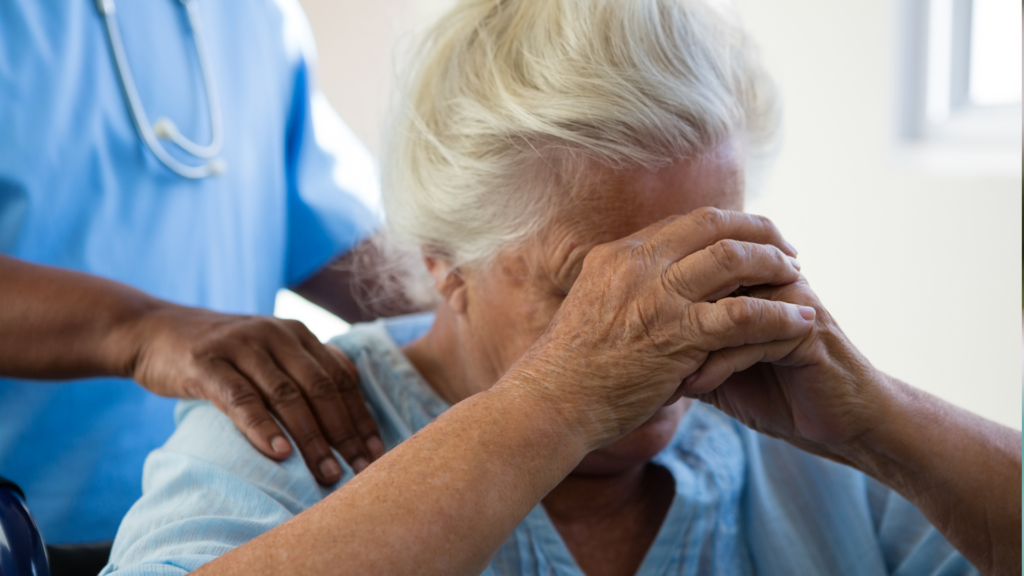
Emotional abuse involves behavior that causes fear, distress, or a loss of dignity. It can include verbal mistreatment, intimidation, isolation, or controlling a resident’s daily life. While it doesn’t leave visible injuries, it often shows up through noticeable changes in behavior or mental state.
These changes may be gradual or sudden, and are sometimes dismissed as cognitive decline or natural signs of aging. Below are common indicators that may suggest emotional abuse or related care concerns:
| Concern | What It May Indicate |
|---|---|
| Withdrawn Behavior | Fear, intimidation, or ongoing mistreatment causing a resident to isolate or disengage |
| Medication Errors | Poor oversight that can lead to confusion, memory issues, or emotional instability |
Because emotional abuse is less visible, behavioral changes are often one of the clearest signs that something may be wrong.
Neglect
Neglect refers to a caretaker’s failure to provide food, shelter, medical care, or protection. General and medical neglect can lead to:
In many cases, neglect shows up through a decline in a resident’s overall condition. What may start as small oversights can quickly lead to serious health complications. While neglect is often overlooked because it can appear less obvious than other forms of abuse, failing to provide proper care can be just as serious and actionable as intentional harm.
Sexual Abuse
Sexual abuse is any non-consensual sexual contact. Unfortunately, this type of abuse is a prevalent form of elder abuse. Common signs of sexual abuse include bruises around the breasts or genital areas and unexplained sexually transmitted diseases.
Sexual abuse is serious and requires immediate attention. When concerns arise, seeking guidance can help protect your loved one and ensure the situation is properly addressed.
Financial Exploitation
Financial exploitation refers to the illegal taking, misuse, or concealment of funds or property. Older adults, especially those with dementia or cognitive decline, are more vulnerable to financial fraud, and criminals know this.
This type of abuse often involves a breach of trust. In a recent Pennsylvania case, a caregiver was charged after allegedly stealing thousands of dollars from multiple elderly clients while working in their homes. According to investigators, the caregiver used the victims’ credit cards for personal expenses, including rent, groceries, and other purchases over several months.
Why Does Nursing Home Abuse Happen?
There is rarely a single cause of nursing home abuse. In many cases, it results from systemic issues within a facility, including understaffing, inadequate training, and high employee turnover.
Usually, an abusive nursing home situation shares a link to the nursing home’s owner or administrator, where financial priorities may outweigh proper staffing, training, and oversight. As of 2024, over 70% of all nursing homes were for-profit businesses, sometimes creating cause for concern about their motives.
In some situations, facilities may prioritize cost-cutting over proper staffing, safety measures, or employee screening, increasing the risk to residents. In one case highlighting these concerns, a jury entered a $1 million verdict in a lawsuit against an assisted living facility. In this particular abuse case, the nursing home admitted that understaffing and insufficient training led to a 67-year-old man’s choking death after staff members failed to feed him a mechanical soft diet.
Nursing homes are responsible for providing a safe environment. When that responsibility is not met, residents can face significant and avoidable harm.
Alzheimer's/Dementia Abuse
Nursing home residents with Alzheimer’s, the most common form of dementia, are especially vulnerable to abuse. A study published in the Journal of the American Geriatrics Society found that almost half of all patients with dementia suffer from abuse or neglect. In addition, patients with dementia are the most likely to suffer from financial abuse or exploitation.
The reason for dementia patients’ increased risk of abuse is that abusive caregivers know that persons with this form of cognitive decline have difficulty remembering, reasoning, and communicating, making them easy targets for financial fraud. For instance, a caregiver may convince the dementia patient to change their will to leave their money to the caregiver. Signs of financial abuse include missing cash or valuables, unexplained money withdrawals, and unpaid bills.
How to Prevent Nursing Home Abuse
You can take several steps to help prevent nursing home abuse. First, know the signs. Next, check in regularly with your loved one. Third, raise any concerns with staff and authorities. Finally, be proactive in researching the nursing home and looking for any red flags. Federal regulations require nursing homes to report and investigate all allegations of abuse, neglect, misappropriation of resident property, and exploitation.
Nursing homes are also required to report any unexplained injuries. Again, search your state’s elder abuse agency for reports on a specific nursing home in the state. However, know that nursing home self-reporting doesn’t always accurately represent how the elderly care facility is being run.
Therefore, it’s crucial to conduct your own investigation of the nursing home where your loved one is living. You should visit the home often and get to know your loved one’s primary caregivers personally. Ask lots of questions and actively look for signs of abuse. Taking these measures could ultimately save your loved one’s life.
Nursing Home Abuse and Neglect Statistics
According to the World Health Organization (WHO), about one in six adults over 60 experiences some form of elder abuse each year, with women more likely to be targeted. Abuse is especially common in nursing homes and long-term care settings. Studies estimate that around 15% of residents experience abuse, though the true number may be higher, as only about one in 24 cases is reported.
A 2024 WHO analysis found that psychological abuse is the most common (33.4%), followed by physical abuse (14.1%), financial exploitation (13.8%), neglect (11.6%), and sexual abuse (1.9%).
Older adults living in nursing homes with long-term support systems are the most likely to become victims of elder abuse because these individuals often suffer from diseases or ailments that affect cognitive functioning and make them entirely dependent on other people.
Reporting Nursing Home Abuse
If you suspect nursing home abuse, it’s important to report it right away. Start by notifying the nursing home administrator. If the issue is not addressed, contact your state’s agency that oversees nursing homes, as each state has procedures for reporting elder abuse.
Under the federal Older Americans Act, every state also has an Ombudsman Program that advocates for nursing home residents and can help handle abuse complaints. You can contact your state’s program directly or find resources through the Eldercare Locator at 1-800-677-1116 or eldercare.gov.
Because abuse may involve criminal conduct, you can also report concerns to your local law enforcement. Lastly, speaking with an experienced nursing home abuse lawyer can help you understand your options and what steps to take next.
Legally Reviewed by
Read Bio
Since 1976, Steve Levin has been dedicated to helping people injured by others’ negligence. He is one of the first attorneys in the U.S. to prosecute nursing homes for abuse and negligence. He’s also helped write new legislation that governs the operation of nursing homes, including the Illinois Nursing Home Care Act. Moreover, Levin & Perconti has obtained the top three jury verdicts in nursing home negligence cases in Illinois.
Related Pages
Notable Results
Levin & Perconti Can Help After Nursing Home Abuse & Neglect in Chicago or Nearby Areas
At Levin & Perconti, we’re a team of highly skilled and committed nursing home abuse lawyers in Illinois who fight to ensure you receive maximum justice for you and your family.
We don’t hesitate to hold negligent people accountable, and we settle for nothing less than fair compensation for your emotional and financial suffering.
Complete our contact form today, and one of our attorneys will call you promptly to discuss your case and determine your legal options.